What Is RCM and Why Does It Matter for Piano Students?
New to RCM? Everything piano parents and students need to know about the Royal Conservatory of Music — exams, levels, how to prepare, and whether your child needs to do them.
RCM PREPPARENTS & FAMILIES
Kristin Serrick
4/28/20263 min read
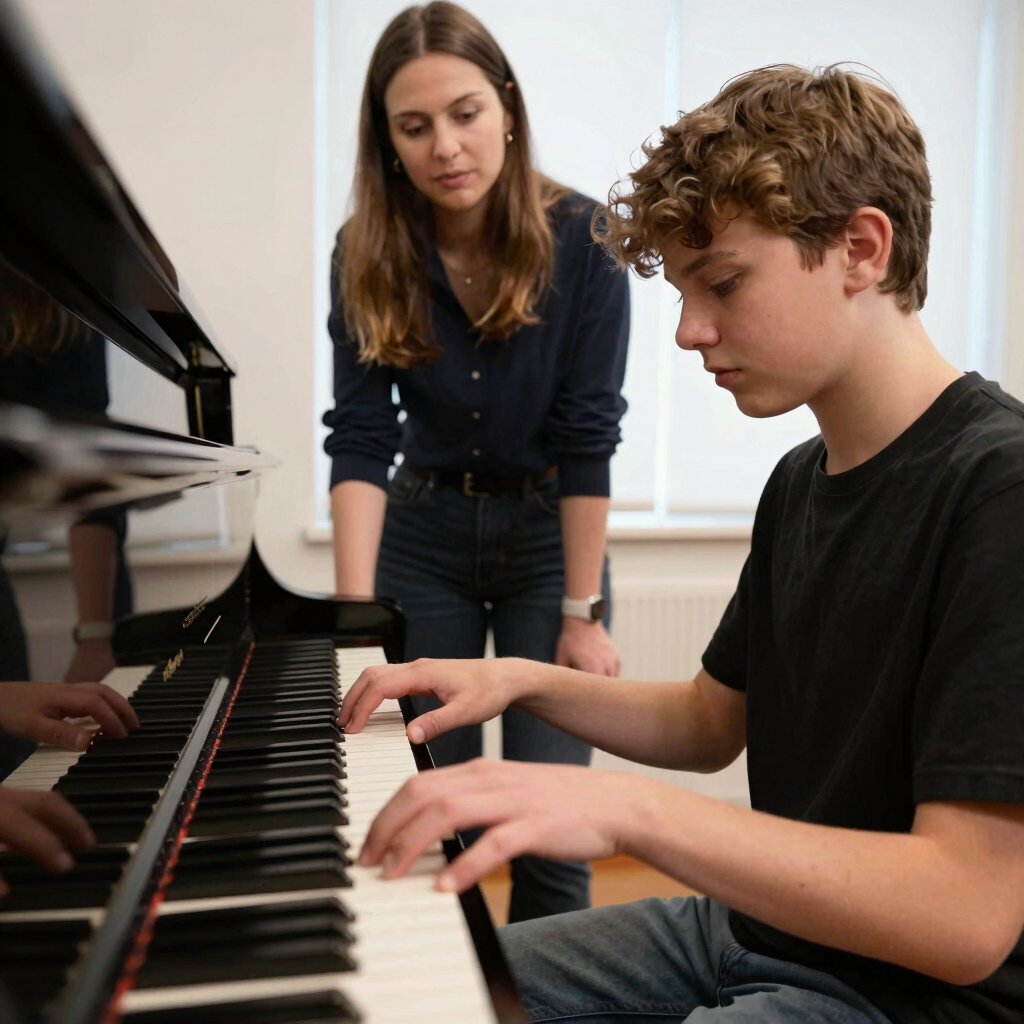
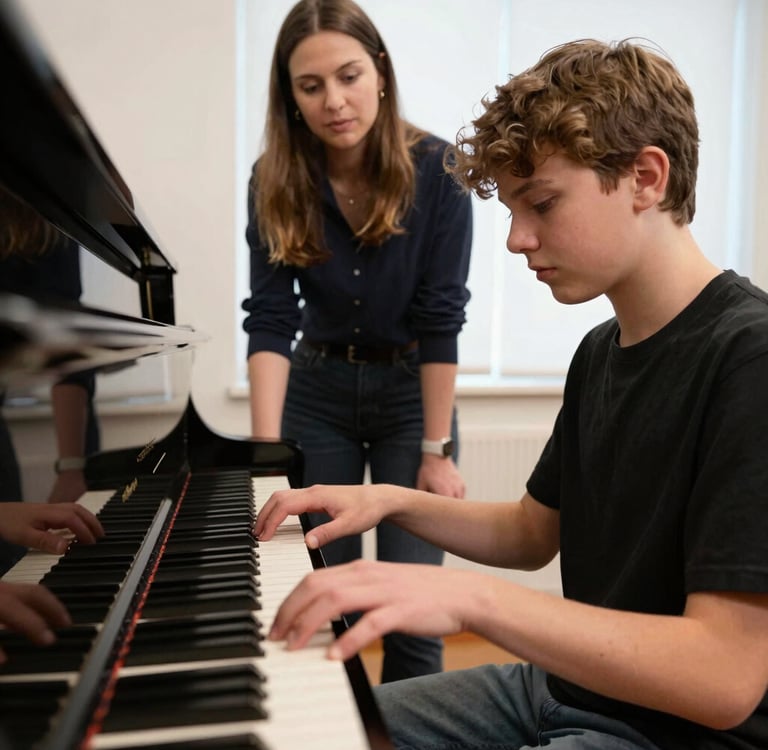
What Is RCM and Why Does It Matter for Piano Students?
Hi Musical Families!
If your child takes piano lessons in Canada, you've almost certainly heard your teacher mention RCM. But if you're new to music education, the term can feel a little mysterious. What exactly is it, why do so many teachers recommend it, and does your child actually need to do the exams?
Here's everything you need to know.
What Is RCM?
RCM stands for the Royal Conservatory of Music, a Canadian institution founded in 1886 and one of the largest, most respected music education systems in the world. Their curriculum — the RCM Certificate Program — provides a structured, graded framework for music study from absolute beginner through advanced levels.
The program runs from Preparatory levels all the way through Level 10, culminating in the Associate Diploma (ARCT). At every stage, it covers five interconnected areas of musicianship: repertoire, technical requirements, ear training, sight reading, and music theory and history.
Why Do Piano Teachers Recommend It?
The RCM curriculum gives teachers and students a clear roadmap. Rather than relying on subjective judgments about whether a student is "ready" to move forward, the level system provides concrete, universally recognized benchmarks.
It also ensures students develop all areas of musicianship — not just the pieces they enjoy playing, but technique, theory, and listening skills too. Many teachers value this comprehensive approach because it prevents gaps that can become real obstacles later on.
For students who are motivated by clear goals, the level structure provides exactly that: a defined target to work toward, with a formal credential to show for it at the end.
What Do the Exams Involve?
A typical RCM practical (performance) exam includes four components:
Repertoire pieces from the approved list for that level, chosen by the student and teacher
Technical requirements — scales, arpeggios, chords, and exercises specific to the level
Ear training — the examiner plays something and the student responds by singing, clapping, or identifying what they heard
Sight reading — playing a short piece the student has never seen before
Theory and history are assessed separately through written exams, which is why building those skills consistently throughout the year matters so much.
Examiners are trained to provide constructive, specific feedback — so even if your child is nervous about being evaluated by a stranger, the experience is designed to be educational, not intimidating.
Does Every Student Need to Do Exams?
No — and this is worth saying clearly. Many wonderful piano students never sit a formal RCM exam, and that's completely valid. The curriculum itself is valuable as a teaching framework regardless of whether exams are involved.
That said, exams are a great fit for students who are motivated by concrete goals and milestones, are considering music at a post-secondary level (many programs recognize RCM credentials), or simply benefit from the structure and accountability that exam preparation provides.
How to Prepare (Without the Last-Minute Scramble)
Exam preparation works best when it starts early and is spread across the year rather than crammed into the final weeks. Here are the principles that make the biggest difference:
Establish a consistent practice routine. Regular, focused practice beats long, irregular sessions. Work with your teacher to find a schedule that fits your child's life.
Don't neglect theory and history. These written components are often left until the last minute — which makes them much harder. Building them into weekly practice from the start changes everything.
Use dedicated resources. Structured study tools help students know exactly what to expect and reduce anxiety by making the unfamiliar familiar.
Lean on your teacher. A qualified RCM teacher knows what examiners are looking for. Their guidance is the single most valuable resource in the process.
A Resource Worth Knowing About
If theory and music history prep feel like the hardest part to manage at home, you're not alone — they're the pieces students most often leave too late.
The PPT Exam Prep collection has RCM-aligned resources designed specifically for independent student use: history materials organized by era, theory worksheets matched to RCM levels, and more. Everything is available as an instant PDF download, so you can get started right away.
Any questions about RCM? Drop them in the comments — whether you're just starting out or working toward a higher level, I'm happy to help you navigate it.
Happy music-making, Ms. Kristin
© 2026 The Paperless Piano Teacher. All Rights Reserved.
The Paperless Piano Teacher
The ultimate one-stop shop for music lesson planning. Helping teachers inspire the next generation of musicians.